Welcome

We are currently updating our website, please be patient if some links are temporarily unavailable.

Our facility will be closed on Friday, Jan. 23rd and Saturday, Jan. 24th due to extreme cold temperatures.

Our building will reopen to the public at 10am on Sunday, Jan. 25th.

Everyday, our trails are free and open from dawn until dusk.

Our facility is open Monday through Friday, 9am to 4pm, and from 10am to 2pm on weekends.

Visit us. Everyday, our trails are free and open from dawn until dusk.

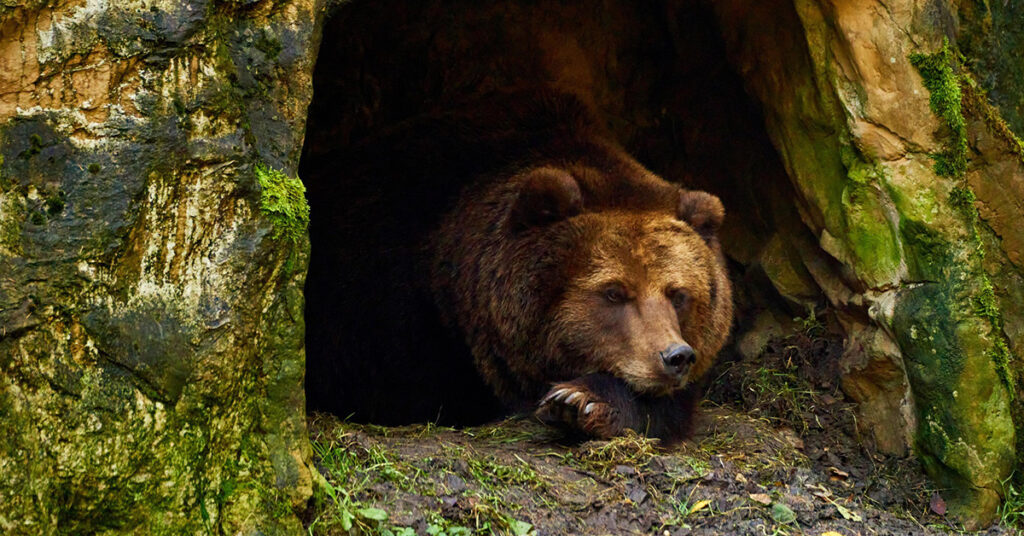
Hibernation, Torpor, Brumation, and Diapause Explained

How do animals survive winter? In winter, many animals enter a state of dormancy to survive, but not all forms of inactivity are the same. True hibernators reduce their metabolism, slow their heart rate, and drastically lower their body temperature. They enter a very deep sleep that is only occasionally interrupted to meet essential body […]

Read More…

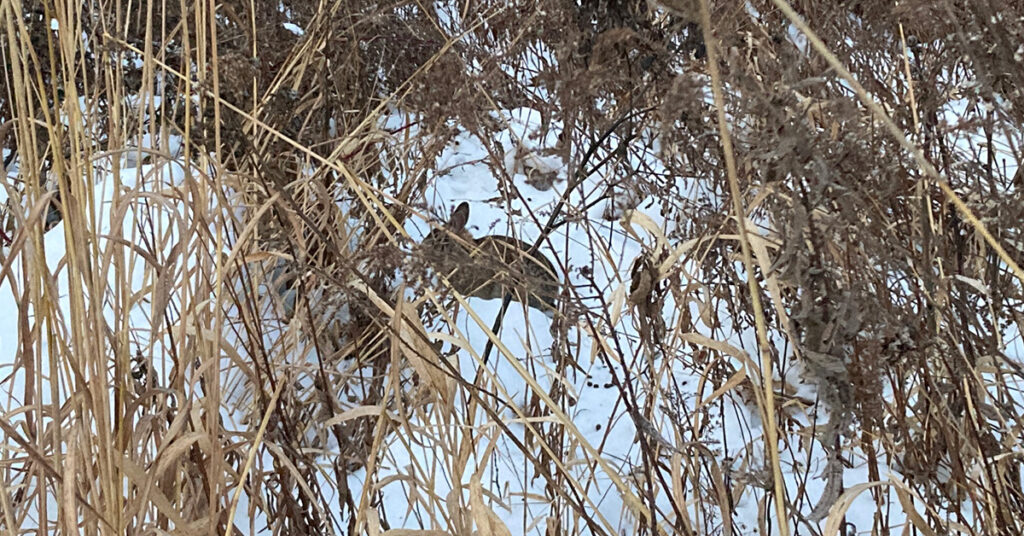
Eastern Cottontails

Cottontails avoid predators in many ways, but camouflage is their best defense. The Eastern cottontail is the most common cottontail rabbit found in the United States and the only type found in Wisconsin. They are common in urban and residential areas and will stick around year-round. While it is not uncommon to spot a cottontail […]

Read More…

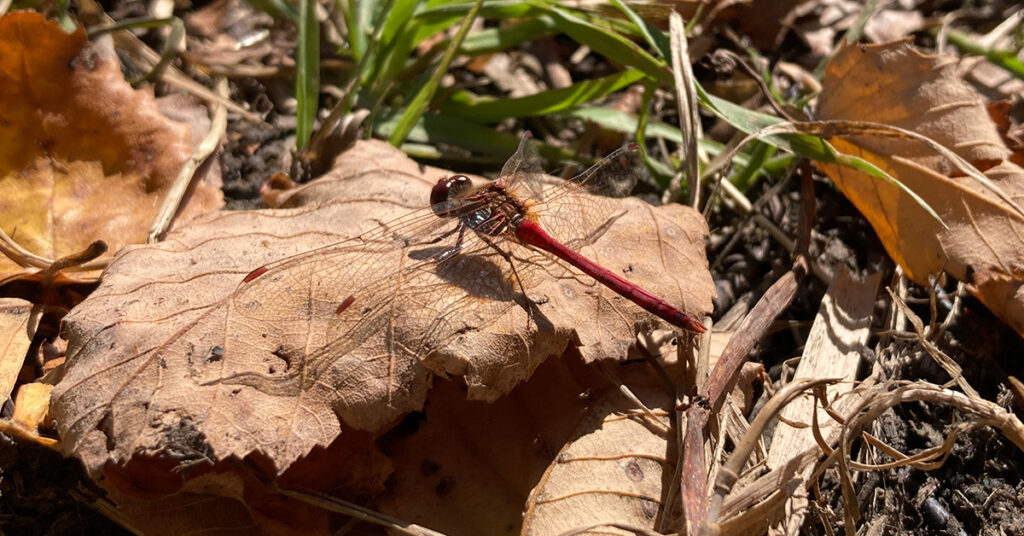
Autumn Meadowhawk

Have you seen any little red dragonflies around lately? You’ll probably only spot one type this late in the season: the autumn meadowhawk. These dragonflies begin life as aquatic naiads in spring, hatching from eggs laid in the water. By July, they finally emerge as adults, which is much later than most other dragonfly species. […]

Read More…

Dark-Eyed Juncos

Dark-eyed juncos are back in Southern Wisconsin! This small, round bird is one of the most common winter visitors in North America and displays different physical characteristics across the continent. In Wisconsin, you’ll most likely encounter the slate-colored junco during winter. These dark-eyed birds have a pink bill, white belly, and slate-gray to charcoal-colored chest, […]

Read More…

Cedar Waxwings

Cedar Waxwings in the juniper tree! Flocks of Cedar Waxwings recently took a pit stop in our juniper tree! These beautiful birds are easy to recognize by their sleek gray-to-brown plumage, pointed crest, and bandit-like mask. They also have colorful features that make them easy to identify: their bellies are pale yellow, and the tips […]

Read More…

Aldo Leopold Nature Center